Project Objectives
General Objectives
To evaluate the implementation and effectiveness of integrated detection and intervention care pathway for neurodevelopmental disability and autism in South Asia with Nepal as a key implementation site
Specific Objectives
To implement the stepped detection pathway which uses a screening questionnaire aimed to pick up a broad range of Neurodevelopmental Disabilities (NDDs).
To administer a questionnaire to all children to rule out autism risk.
To refer children who are identified with a developmental risk at any stage to AutismCare Nepal Society for confirmation of their diagnosis.
To refer children with behavioural, cognitive, and social communication difficulties into the stepped intervention pathway model.
To implement the stepped care intervention pathway model by incorporating the World Health Organization Caregiver’s Skill Training (WHO CST) as the first-stage intervention for NDDs, followed by the PASSPlus model as a second stage for identified ASD.
Workstreams
Detection
The NAMASTE detection arm focuses on the early detection of autism and neurodevelopmental delays among young children. The Female Community Health Volunteers (FCHVs) are supporting the detection activities through regular monitoring and early identification. During the initial phase of the project, all detection tools, the SACS (Social Attention and Communication Surveillance) tool and the Rashtriya Bal Swasthya Karyakram (RBSK) checklists, as well as training materials, were systematically adapted into Nepali, ensuring the validity and reliability of these tools. Additionally, a Master Trainer for the SACS tool has been successfully prepared.
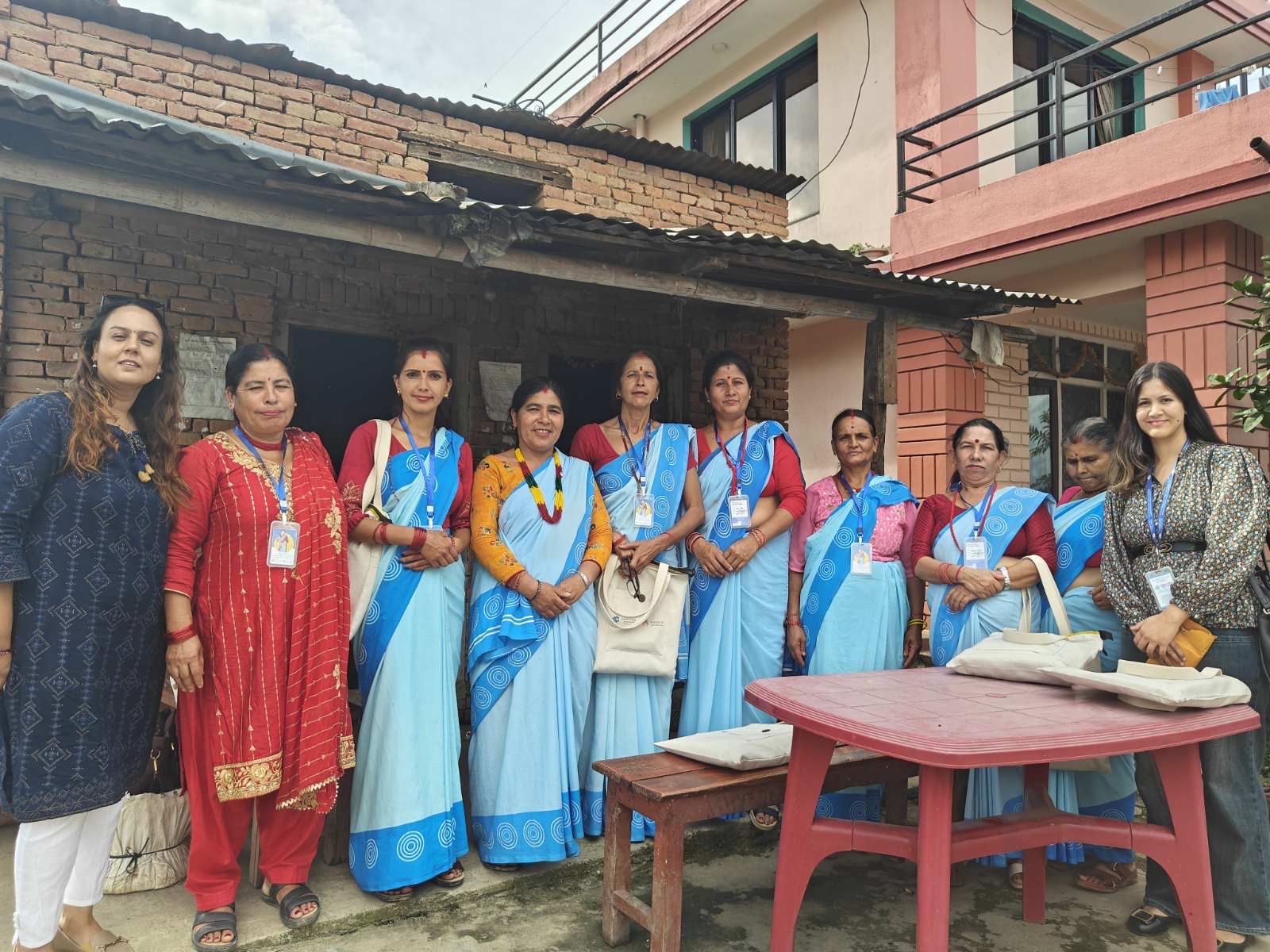
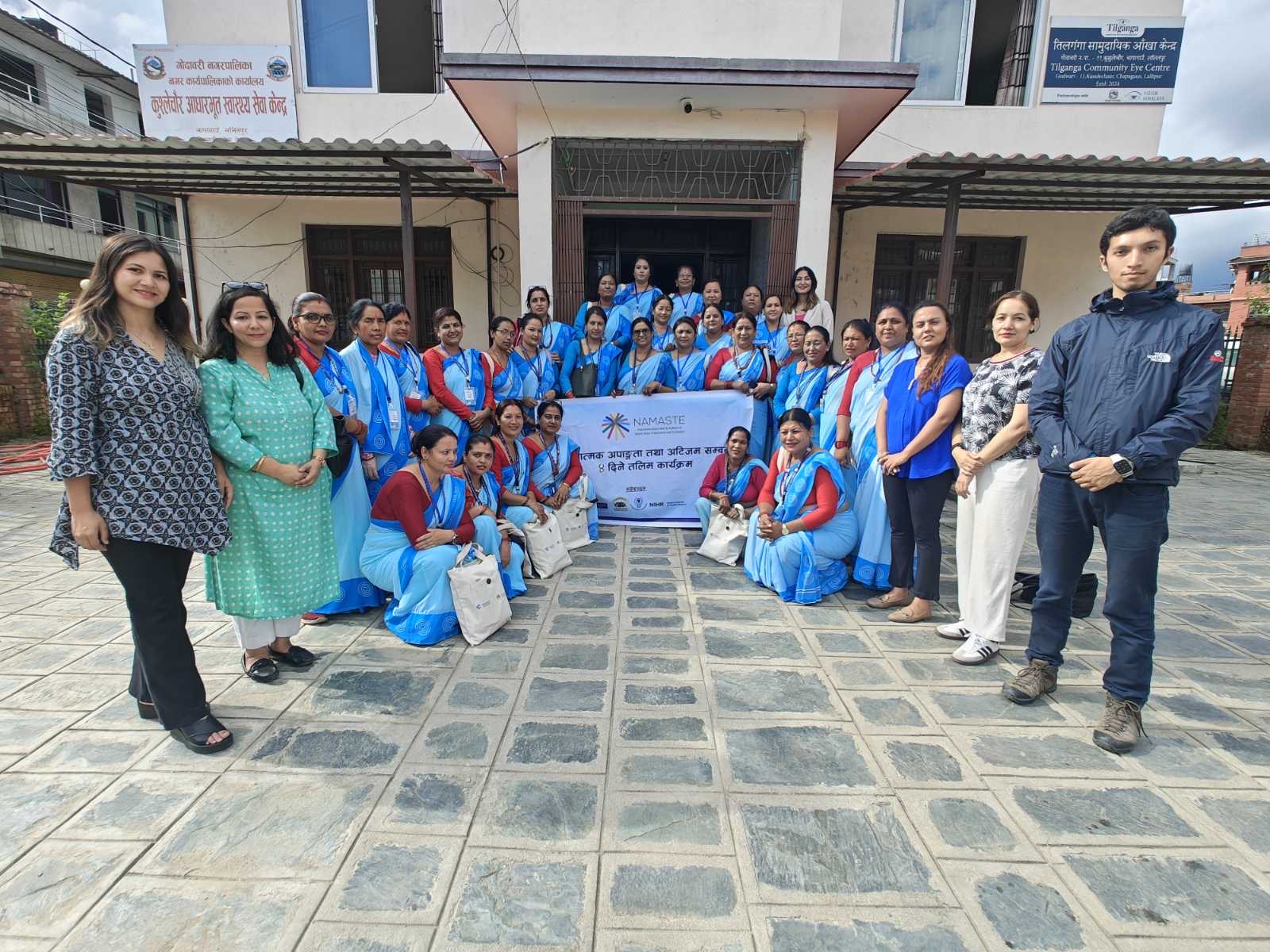
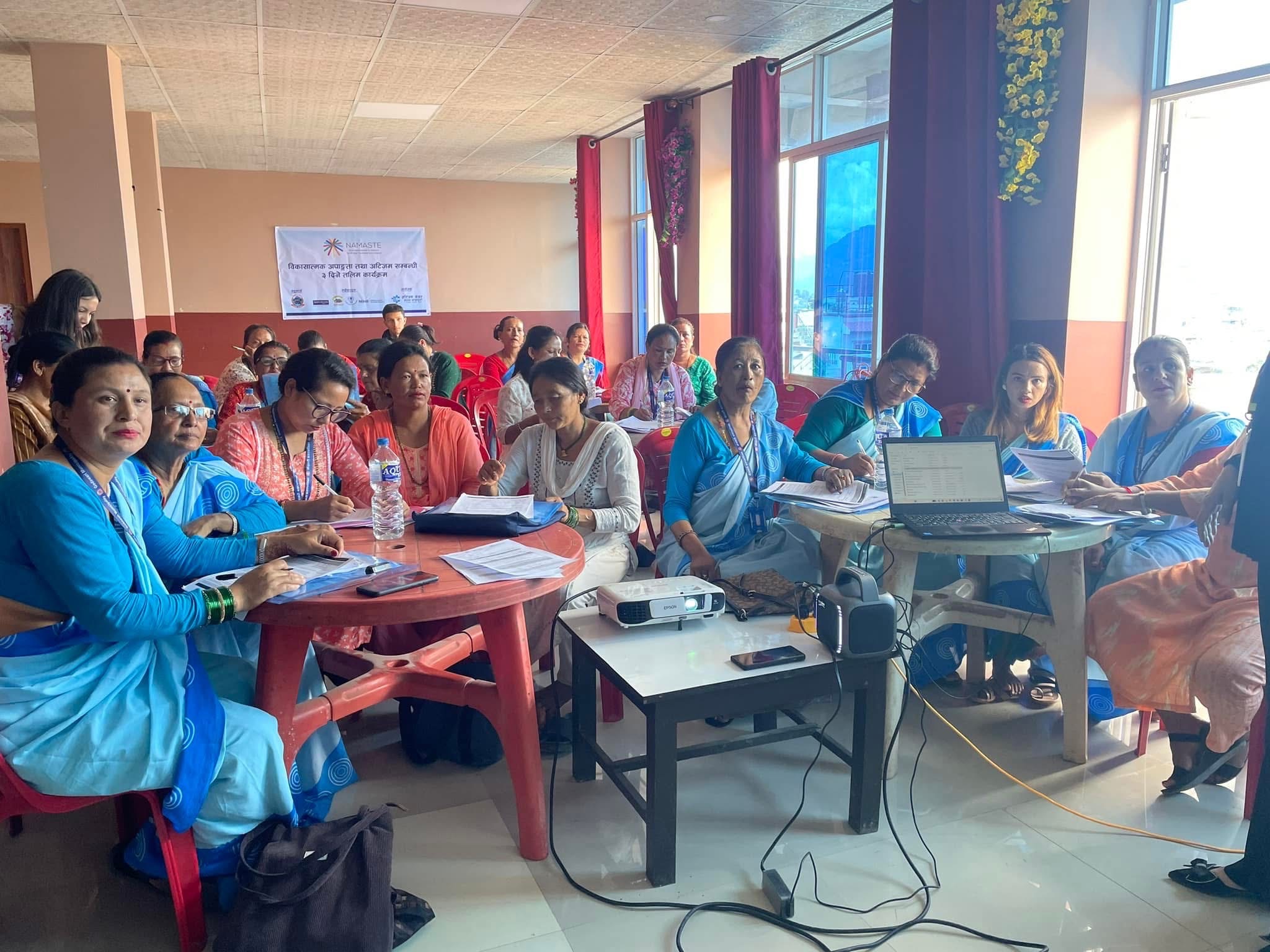
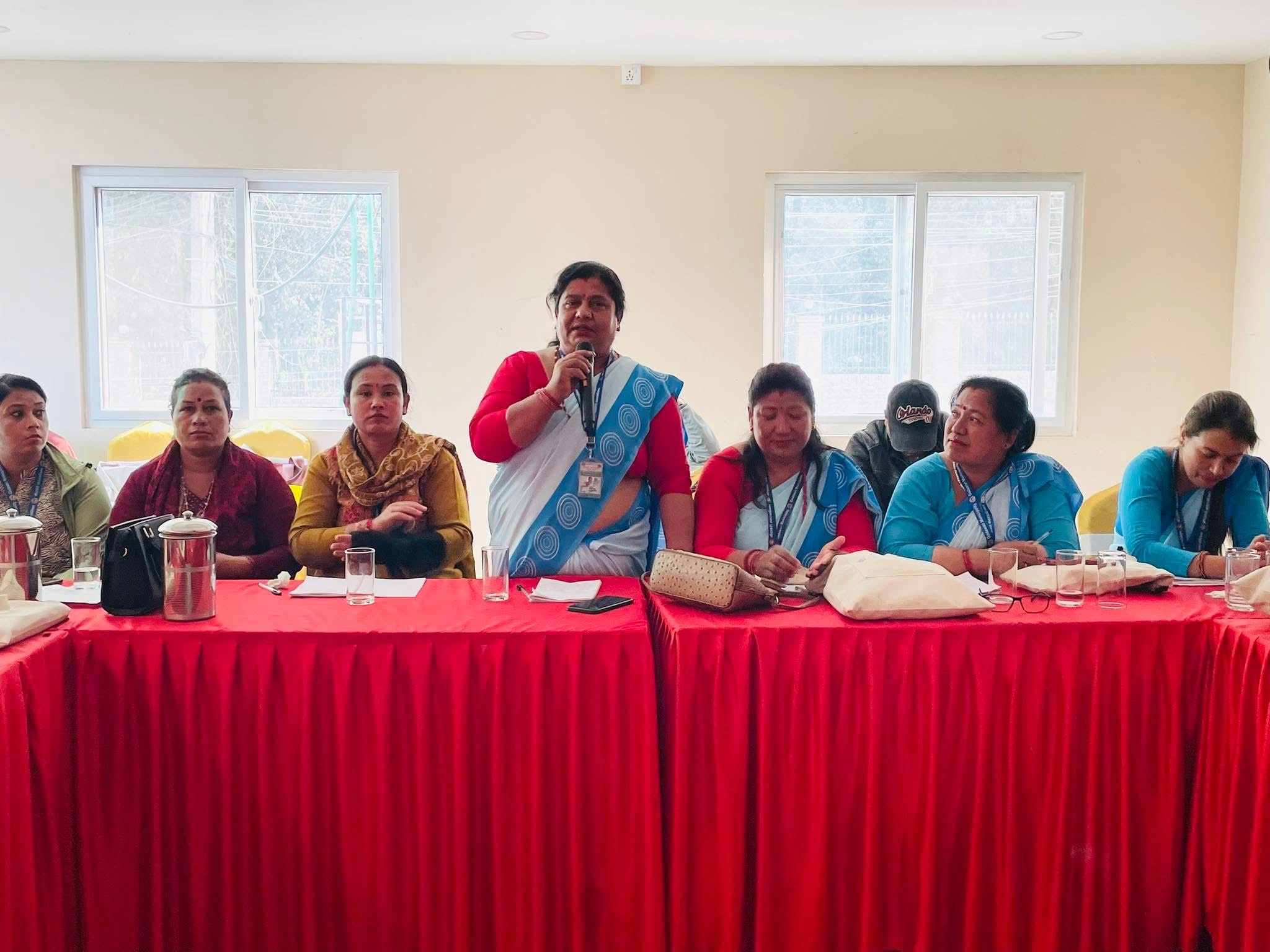
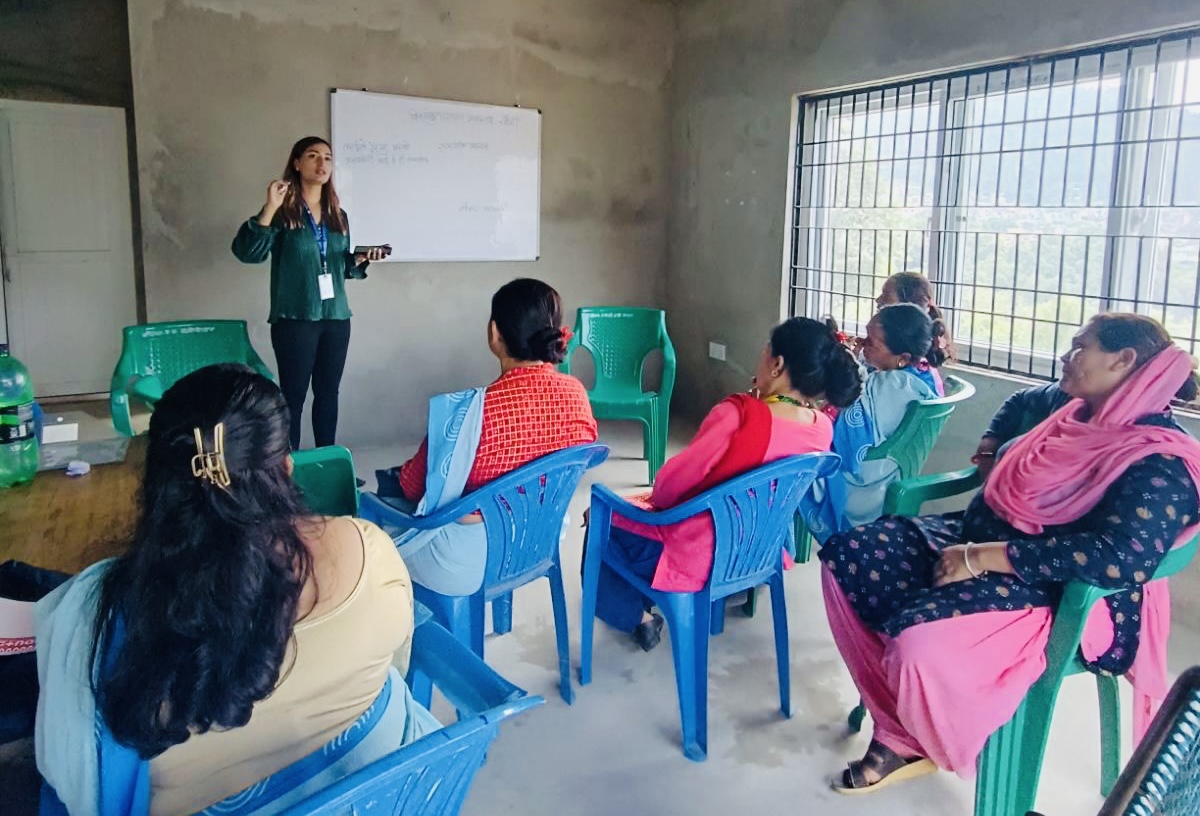
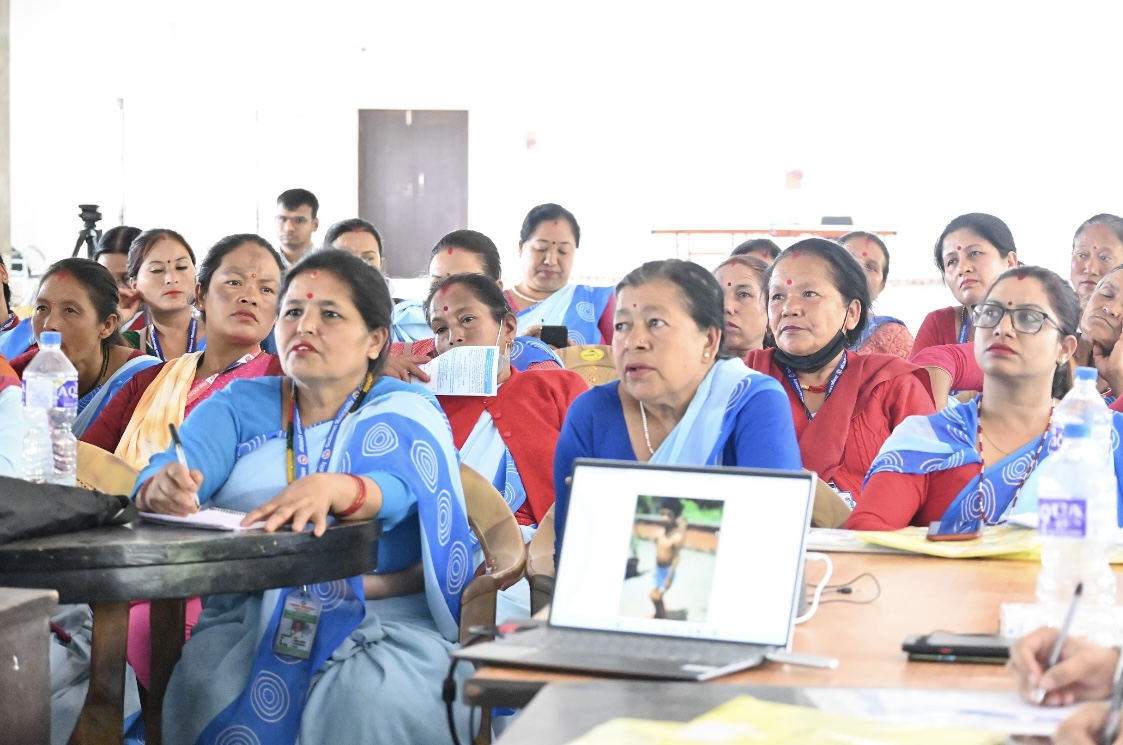
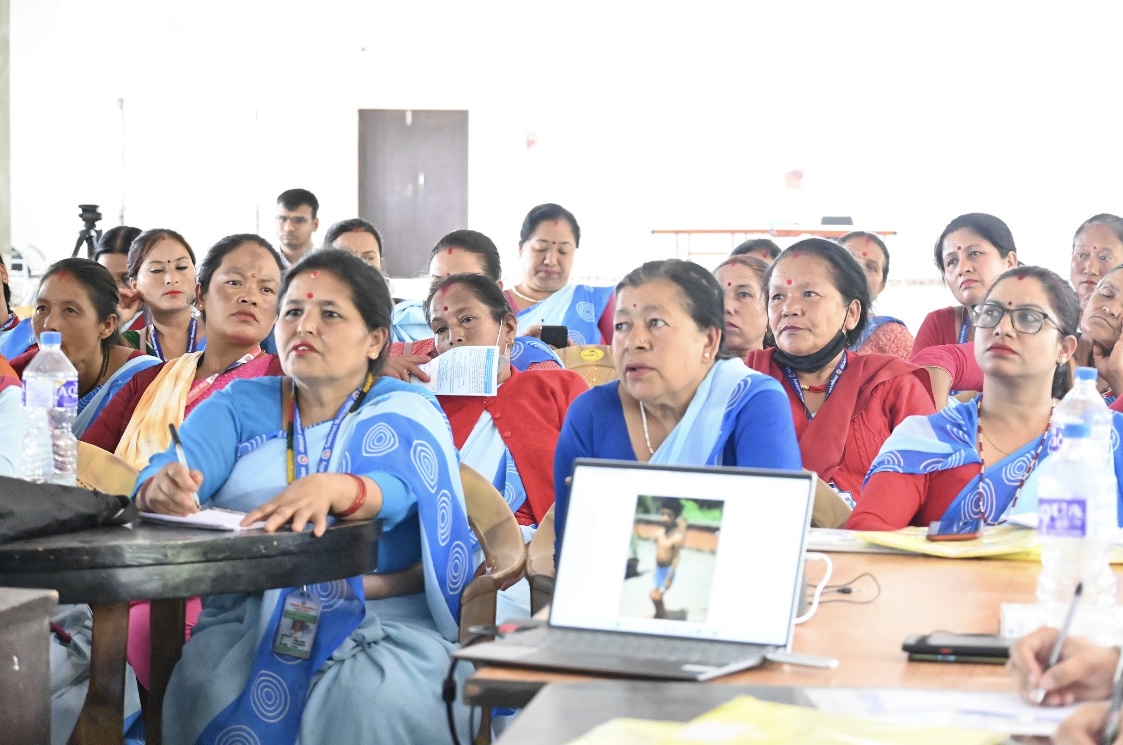
The 4-day classroom-based training on detection was delivered to 103 FCHVs in three clusters from July 17 to September 13, 2024. The training focused on monitoring children aged 18 months to 9 years for autism and neurodevelopmental disabilities across all 14 wards of Godawari Municipality. The training covered the use of the SACS and RBSK checklists, along with Community Engagement and Inclusion (CEI) strategies and digital data entry using the Research Electronic Data Capture (REDCap) mobile application.
Following the classroom-based training, field supervision and debriefing were carried out to provide hands-on support to FCHVs. The inter-rater reliability assessment for the SACS was conducted on December 24, 2024. Refresher training sessions (4 hours each) were delivered across six clusters between May 28 and June 25, 2025, engaging 87 actively involved FCHVs. Ongoing monthly meetings, field supervision, and incentivization continue to support and strengthen FCHV engagement in the detection activities. Re-screening of children aged18-30 months is also ongoing. The detection workstream will continue monitoring children through June, 2026.
Intervention
WHO CST
PASS Plus
PASS Plus (Parent-mediated autism social communication intervention by non-specialists plus) is a parent-mediated, home-based intervention designed to support caregivers of children with autism in building everyday social communication skills, addressing co-occurring challenges, and strengthening parental well-being. It is delivered by trained non-specialists, including community health workers, under the guidance and supervision of specialist trainers.
The intervention begins with structured training for counsellors through blended learning, combining classroom teaching with supervised practice with families. Training helps counsellors understand autism, social communication, behaviour support, family engagement, and ethical practice. Locally adapted play videos are used throughout the training to ensure cultural relevance and practical learning. Competency is assessed regularly, so counsellors are well prepared to deliver the programme with quality and consistency.
Once trained, counsellors work directly with families in their homes. PASS Plus focuses on helping caregivers use simple, play-based and communication-building strategies within daily routines. Session includes: review, play video between child and caregiver, reflective interaction, video feedback, and goal setting, using locally available materials that fit naturally into family life. The intervention also addresses wider needs, including behaviour, sensory sensitivity, sleep, feeding, toileting, language and caregiver well-being. With ongoing supervision and video-based feedback from master trainers, PASS Plus offers families practical and compassionate support that helps children and caregivers grow together.
Community Engagement and Inclusion (CEI)
Data Management
Data management is an important component of the NAMASTE programme. A structured digital system supports reliable data collection, secure storage, and ongoing monitoring of programme activities, enabling the team to track progress and ensure consistency across all project areas. The programme uses REDCap (Research Electronic Data Capture) as its primary platform for data collection and management. REDCap provides offline mobile data entry, allowing information to be recorded during community visits even in areas with limited or no internet connectivity. Once connectivity becomes available, the data is securely synchronized with the project’s central server, ensuring that all information is centralized and up-to-date. REDCap also supports role-based access, meaning that only authorized project staff can view or edit sensitive participant data, helping maintain confidentiality and compliance with ethical standards. Additional features, such as secure audit trails and structured forms, enhance data integrity and prevent errors during entry.
A total of 103 Female Community Health Volunteers (FCHVs) were trained during a 4-day classroom-based programme, which included instruction on digital data entry using the REDCap mobile application. As per required, field support was provided to assist FCHVs in using REDCap in field. FCHVs collect data in the field using their mobile phones during household visits and receive ongoing support through refresher sessions and technical guidance, both in-person and online. Subsequent assessments are conducted by the professional evaluation and research team, ensuring standardized data collection across all stages of the programme. Data quality is maintained through regular system monitoring, verification, and review by the project’s data management team. Together, these processes create a reliable data management framework that supports the effective implementation, monitoring, and evaluation of the NAMASTE programme.
Support our mission
Your donation helps us empower persons with autism and their families across Nepal.
Stay in touch
Complete the form below to receive the latest autism practice research news: new studies, research updates, events and more.