Understanding Autism Spectrum Disorder: Myths and Facts in the Nepalese Context
Autism Spectrum Disorder (ASD) is a neurodevelopmental condition that affects communication, social interaction, and behavior
A collection of resources, personal stories, and professional insights dedicated to the autism community in Nepal.
Autism Spectrum Disorder (ASD) is a neurodevelopmental condition that affects communication, social interaction, and behavior
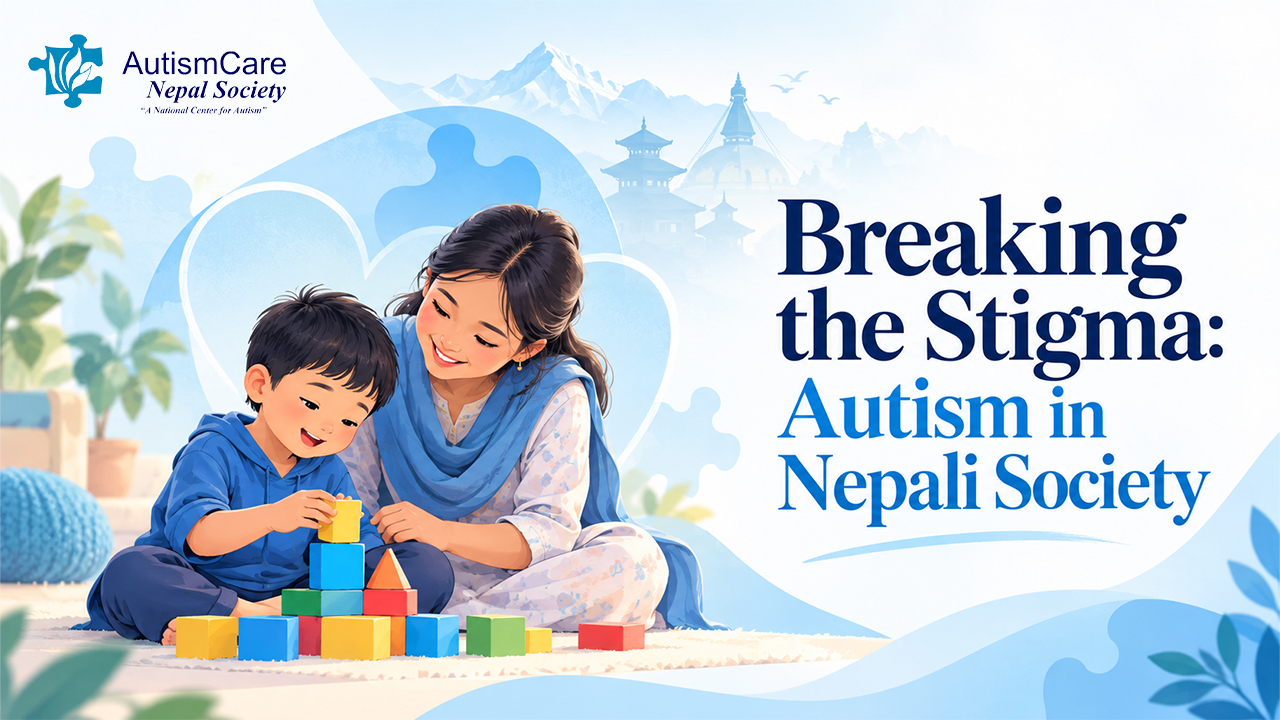
In Nepal, autism remains a widely misunderstood and often stigmatized condition. For many families, having a child diagnosed with Autism Spectrum Disorder (ASD) is not just a personal challenge, but a public ordeal, shaped by deep-rooted misconceptions, social exclusion, and limited access to support.
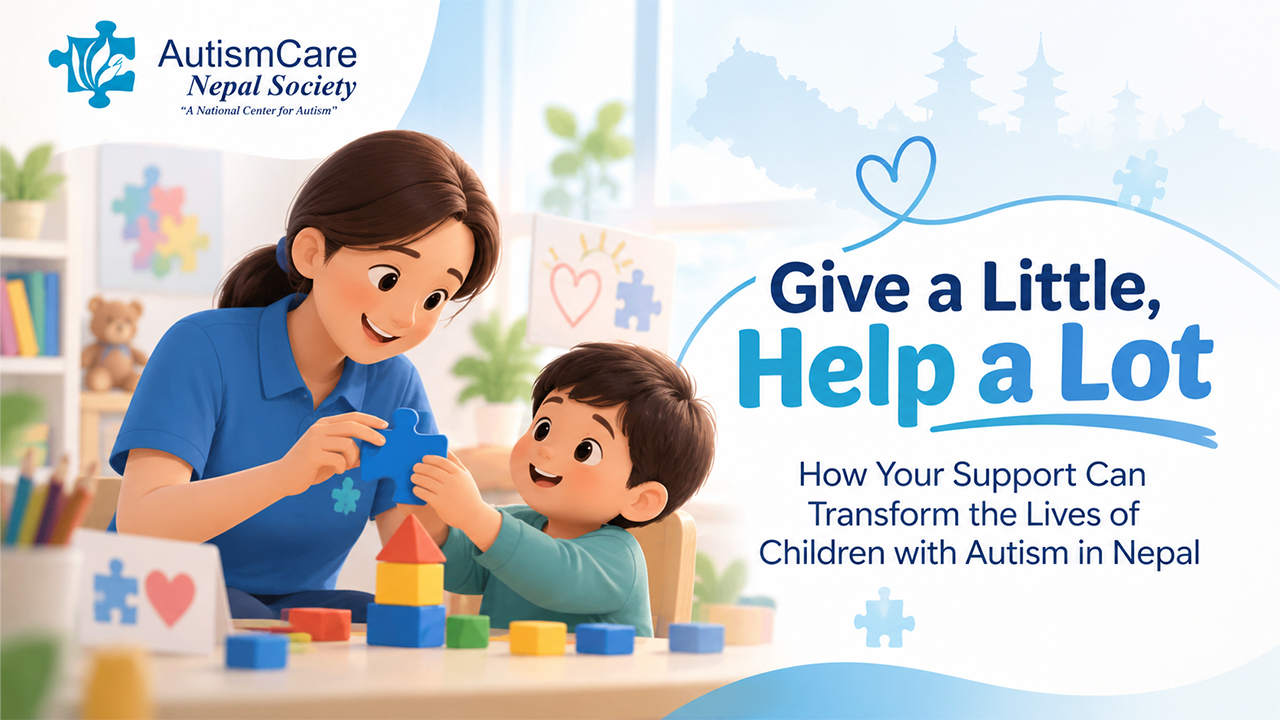
Every child, regardless of ability, deserves a life filled with hope, love, and opportunity. Yet for children with autism in Nepal, these basic rights often remain out of reach.
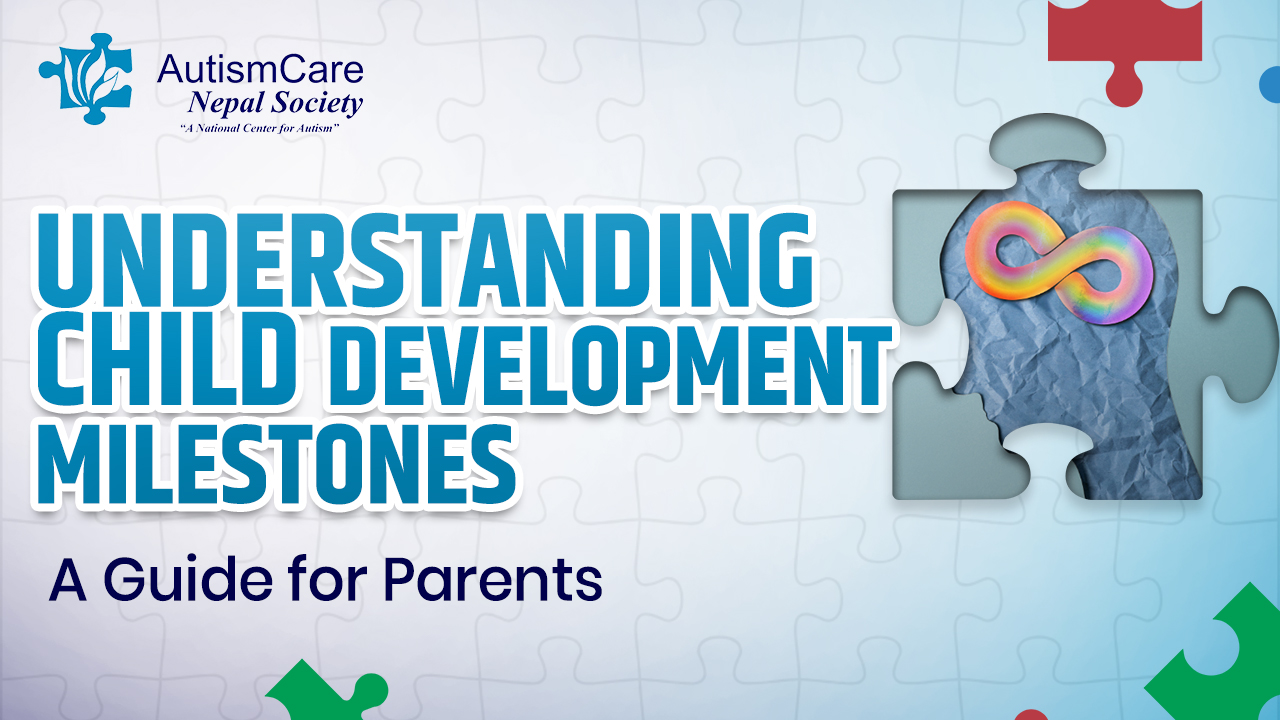
As a parent, one of the most important things you can do is observe and understand your child’s development.
Autism Spectrum Disorder (ASD) affects how a person perceives the world and interacts with others. It is not a disease but a developmental condition that influences communication, behavior, and social skills
Autism In Nepal : Living in Nepal, many families face the quiet yet profound challenge of understanding and adapting to the needs of a loved one with autism. At the heart of this journey stands the AutismCare Nepal Society (ACNS), a dedicated non‑governmental, non‑profit organization founded by parents who understand intimately what it means to walk this path.
Sensory sensitivity is one of the most powerful yet often misunderstood aspects of autism. For many individuals on the Autism Spectrum Disorder (ASD) spectrum, everyday sensory input light, sound, smell, taste, texture, movement can become overwhelming or underwhelming.
Autism is not a condition that suddenly appears; it develops gradually, often revealing itself through subtle differences in communication, behavior, and social interaction during early childhood.
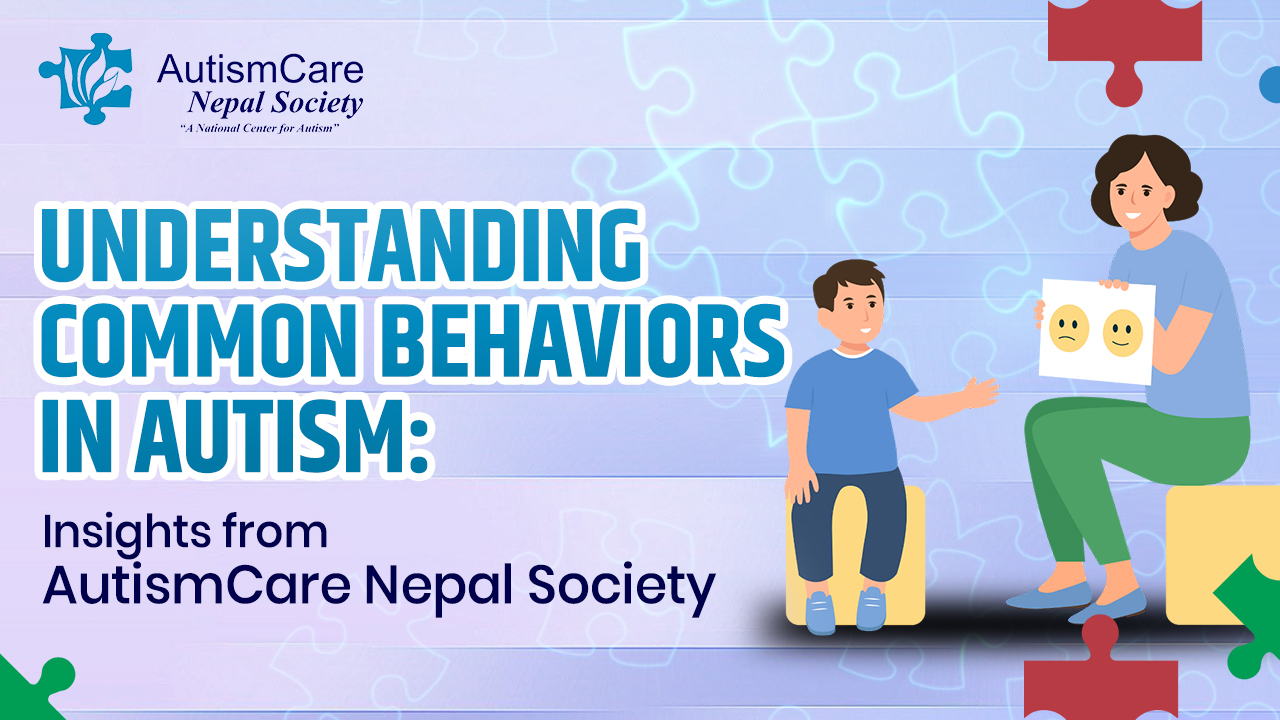
Behaviours in autism can include differences in communication, social interaction, sensory responses, routines, play, learning, and emotional regulation
Complete the form below to receive the latest autism practice research news: new studies, research updates, events and more.